


Opinion: Telling young people to stay inside during a pandemic is like telling them to abstain from sex. Here are some better ideas
As I am writing this, there are throngs of people at my apartment building’s pool — no masks and no physical distancing.
Five months later, it is clear that neither my piece nor the many Covid-19 public health dashboards have persuaded many of my peers. I’m struggling to understand why.
Why aren’t facts enough to do this? I don’t have definitive answers. But with five months to ponder it, I have some ideas.

First, public health campaigns that promote total elimination of risk don’t work well — especially for young people. Think about abstinence-only sex education.
We’re actually in a worse position than those teaching abstinence-only sex education, because unlike the risk of STDs or teen pregnancy, the risk of Covid-19 was unknown just a few months ago.

Secondly, peer pressure during quarantine is enormous. I feel it daily. How can so many people be posting about their trip to the lake, dinners at fancy restaurants and “darties” — daytime parties — while I sit at home?
People see more of their mortality as they age — young people simply aren’t primed for death. And during a pandemic, that’s a problem.
So how can we apply these ideas to change behavior?
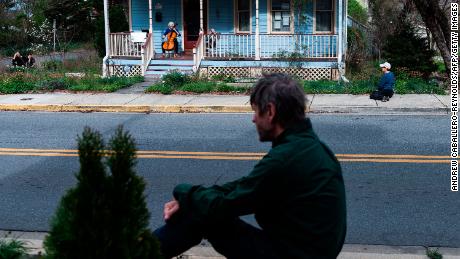
Instead of telling them to “STAY HOME FOREVER,” we can help young people understand what activities are safer — biking with a few friends, hiking, getting take-out food — versus what are more dangerous: house parties with lots of people and swimming in crowded public pools.
Lastly, research on invincibility shows that we can make the risks of Covid-19 real by sharing fewer statistics and long-term consequences and showing more immediate, personal stories.
The last five months notwithstanding, I continue to believe that the more people understand about Covid-19, the more lives will be saved. And I continue to hope that through reaching young people (who are often trendsetters), we will be able to also influence the wider population and not just flatten the curve but crush it.