


Japan leads the medal count at the Olympics
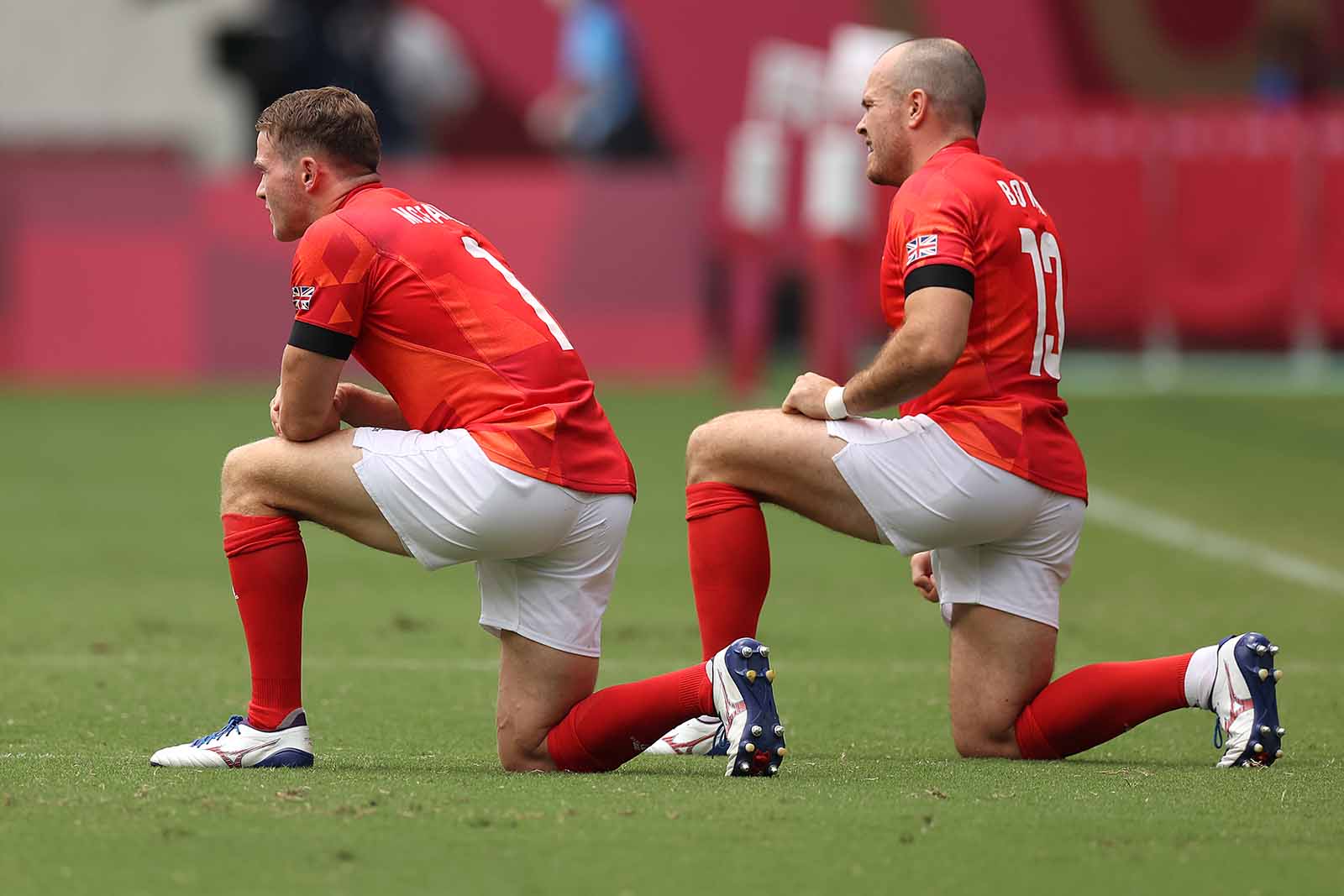
Great Britain’s men’s rugby team took the knee in protest before their Olympic match against Argentina.
Many athletes have been taking the knee at the Olympics, including multiple women’s soccer teams. Though the gesture is not against the rules, it has set a tone.
It’s been almost five years since former NFL player Colin Kaepernick knelt pre-game during the National Anthem to protest racial inequality. Since then — and especially following George Floyd’s death in police custody in May 2020 — athletes around the world have made the gesture in solidarity with the social justice movement and against the oppression of people of color.
Currently, the International Olympic Committee’s Rule 50 prohibits athletes from protesting at Olympic sites. In July, the governing body added an amendment to the rule, allowing athletes to express their views in mixed zones, press conferences and during interviews, as well as prior to the start of competition.
However, more than 150 athletes, sports organizations, human rights and social justice experts have signed an open letter calling on the IOC to allow athletes the “fundamental human right” to protest, including at the podium.
“We believe the global sport community is at a turning point in matters of racial and social justice,” the letter read, “and we call on you as leaders in the Olympic and Paralympic Movements to make a stronger commitment to human rights, racial/social justice, and social inclusion.”