

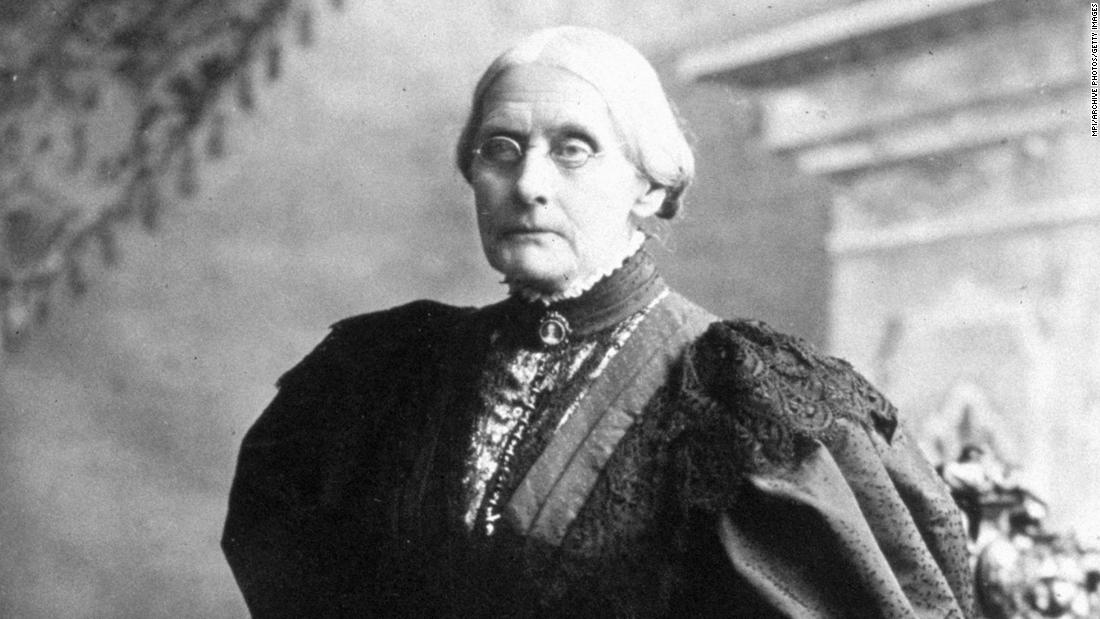
Nearly 150 years ago, Susan B. Anthony was arrested for voting when women weren’t allowed to. Today, she’ll get a pardon
She died before women secured the right to vote, but she found a way to vote anyway, 50 years before the 19th Amendment passed. She was eventually arrested and convicted for casting her vote.
Almost 150 years later, Anthony is getting the kind of recognition from the federal government she would’ve scoffed at during her life.
Anthony proudly cast her vote in the 1872 election in Rochester, New York, though it was still illegal for women to vote at the time.


Over a week later, Anthony and 14 other women who voted with her in New York were arrested and charged with voting unlawfully.
“Is that the way you arrest men?” she asked. When he told her it wasn’t, she demanded that she “be arrested properly.”

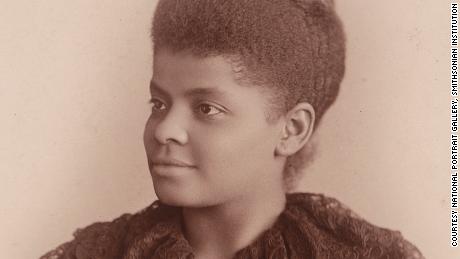
“It was we the people, not we the white, male citizens, nor yet we male citizens, but we the whole people, who formed this Union,” she said in her speech.
She called it “downright mockery” to speak of the liberties American women enjoyed at that time while they were “denied the use of the only means of securing them” by the government — in other words, women weren’t feeling very liberated when they couldn’t vote.
She may not have wanted a pardon
By all accounts, Anthony wore her acts of rebellion as badges of honor that furthered her goal of women’s suffrage. Some contemporary officials believe she wouldn’t have wanted a pardon.
New York Lt. Gov. Kathleen Hochul asked Trump to rescind the pardon “on behalf of Susan B. Anthony’s legacy.”
She concluded her trial with a maxim she urged all women to hear: “Resistance to tyranny is obedience to God.”
Obstacles to voting still persist
The 19th Amendment eventually passed in 1920, 14 years after Anthony’s death at 86.

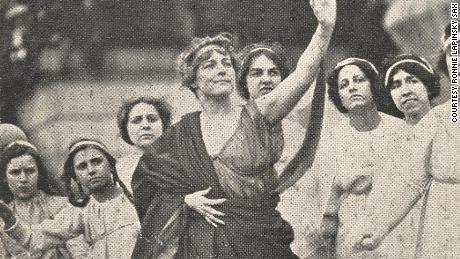
Obstacles to voting for Black Americans persisted in the century after Anthony’s trial, too. Poll taxes, grandfather clauses and literacy tests were imposed after the 14th Amendment granted citizenship to African Americans.