

How much would you be willing to pay for fish and chips as average portion is set to hit £10?
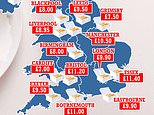
FINFLATION: North-South FISH AND CHIP divide batters Britain as Londoners are shelling out as much as £12.90 while northerners say they pay only £7 (not including the curry sauce)
The average price of a portion of fish and chips could soar to more than £10, industry chiefs have warnedOne industry body said that cod supplies have become 75% more expensive compared to last OctoberThe news comes as a North-South divide clearly emerges over the price of a standard fish supper in Britain Shop owner Andrew Crook, of Lancashire, said prices of his cod had risen from £8 per kg to nearly £14Proprietors are also suffering from soaring packaging costs and energy bills battering their profits
<!–
<!–
<!–<!–
<!–
(function (src, d, tag){
var s = d.createElement(tag), prev = d.getElementsByTagName(tag)[0];
s.src = src;
prev.parentNode.insertBefore(s, prev);
}(“https://www.dailymail.co.uk/static/gunther/1.17.0/async_bundle–.js”, document, “script”));
<!–
DM.loadCSS(“https://www.dailymail.co.uk/static/gunther/gunther-2159/video_bundle–.css”);
<!–
Britain appears more bitterly divided than ever over the price of their fish supper as the cost of living crisis looks set to hit the country’s iconic takeaway.
London, Essex and Bristol are home to some of the most expensive chippies in the UK, while those tucking into their haddock further north in Newcastle or Liverpool can expect to pay less than £9 a portion.
Industry experts warned that supplies of mushy peas, cod and haddock have already become the latest casualties during Britain’s soaring cost of living crisis.
With inflation now hitting Britain’s most famous takeaway, fears are growing that rising costs could also make curries, kebabs and Chinese takeout more expensive in the future.
Factors leading to price hikes also include smaller catches and a jump in global demand, particularly from America where buyers are hoovering up cod caught in waters around Norway.
Chippy owners across the country have also pointed to skyrocketing electricity and packaging costs – with some reporting bills rising from £400 to £2,000 a month.
London, Essex and Bristol are home to some of the most expensive chippies in the UK, while those tucking into their haddock further north in Newcastle or Liverpool can expect to pay less than £9 a portion
Antoni Tsiolas (pictured) who runs Bestwood Fisheries in Nottinghamshire, fears for the future of mushy peas as wholesale costs continue to soar
This week, the National Federation of Fish Friers warned that cod supplies have become 75 per cent more expensive compared to last October.
The cost of buying mushy peas has also doubled, the industry body said, while shops are suffering from soaring packaging prices and energy bills.
On top of this, there will also be a return to 20 per cent VAT from April, potentially pushing the price of your fish supper over a tenner.
But there are already stark differences in the cost of a portion of cod and chips, depending on which part of the country you live.
London may often be ridiculed for exorbitant prices, but buying fish and chips appears to be largely in line with the rest of the country. A large cod and chips can cost around £9.90 in the capital, just ten pence under the expected new rise.
But in Greenwich, some fish bars are selling large cod and chips for almost £13 already.
Meanwhile, that same dish can cost punters as little as £7.95 in Newcastle, while cod-lovers living in Cardiff can expect to pay just £7 for a large fish and chips.
In Bristol and Essex, a large haddock and chips could set you back an eye-watering £11.40. But in coastal hotspots renowned for their local catches such as Blackpool, the price is significantly lower at £8.10.
Across the border, the average price of a fish supper has remained just under £10 in both Glasgow (£9.95) and Edinburgh (£9).
And Belfast, a normal portion of cod and chips (£7.30) would comfortably give you change from a ten pound note at present.
GREENWICH, LONDON: The prices of fish and chips in the capital can hit upwards of £12
BOURNEMOUTH: A large cod and chips in Bournemouth can cost up to £11
CARDIFF: But in the Welsh capital, the same dish could cost as little as £7
GRISMBY: The seaside town famed for its local catches charges less than £8 for a portion of cod and chips
EASTBOURNE: Fish bars in the resort town already charge around £9 for the popular takeaway
BIRMINGHAM: Cod and chips in the Midlands can set a punter back between £8 and £9
The National Federation of Fish Friers warned that wholesale prices of cod have jumped 75 per cent in the past year while haddock is up 81 per cent, mushy peas 120 per cent and batter 40 per cent.
Federation president Andrew Crook said a typical portion of fish and chips currently costs between £6.50 and £9, but many of his 10,500 members will soon be forced to charge £10.
He charges £7.50 at his shop in Euxton, Lancashire, but added: ‘It could soon be over £10 and others are likely to do the same.
‘Rising costs are really putting us under pressure and will push some out of business.’
Businesses, fish and chip shops do not benefit from the energy price caps available to households and Mr Crook said VAT rates had been reduced during the pandemic but were due to return to 20 per cent in April.
Antoni Tsiolas, who runs Bestwood Fisheries in Nottinghamshire, said he also fears for the future of mushy peas as wholesale costs continue to soar.
The chippy currently charges £1.30 for a 7oz carton of the regional delicacy, but that could be going up by a further 20p soon because bags of dried peas have almost doubled in price.
He explained: ‘The minute I heard they [prices] were going up I tried to buy in bulk 50 bags of peas. It sounds ridiculous but it would be a difference of £200.
‘It’s a lot of money. The supplier said we couldn’t because there’s a shortage.’
Even loyalist customers might find his hikes hard to swallow, but Mr Tsiolas said the rocketing prices of everything left him and fellow chip shop owners with no choice.
Claire Fisher, who runs Nottingham’s Mushy Pea Stall in Victoria Market, said she’s also paying an extra £8 per bag and is having to consider passing some of those costs back to her customers.
‘They’ve gone up twice. When I was told they were going up I expected it to be 20p or 30p but it was £4, then not so long ago, I found out they were going up again.
‘They are £20 something a bag. They used to be around £6 or £8 when I first started six years ago. I know things go up but surely not that much.
‘To go up that much is a lot. At the moment trade isn’t back to what it was so you’re not selling like you used to.’
The National Federation of Fish Friers warned that cod supplies have become 75 per cent more expensive than in October as the British classic could cost upwards of £10 (stock image)
Mr Crook said: ‘It’s frightening. I’ve been in business 22 years, I’ve never seen anything like this. This is definitely the biggest threat to the industry that we’ve seen.
‘There are people who are struggling to explain to their families that they have no money coming in – they’re not making a profit.’
Mr Crook warned that the Russian invasion of Ukraine could also trigger further increases in the future.
He said 40 per cent of white fish comes from Russia ‘and much of our rapeseed and sunflower oil comes from the Ukraine’.
He added: ‘I think we need to respect fish as we do steak. It is the last hunted commodity and is controlled by tight quotas to ensure the stocks are sustainable but what we are facing is the perfect storm.’
Looking ahead, Mr Crook is concerned about future supplies of British potatoes.
‘We are hearing that farmers are not planning on planting as much acreage this year as they don’t have the staff to harvest and grade them,’ he said.
David Miller, who runs a chippy in Haxby, North Yorkshire, said the dish has been underpriced for too long, adding that shops have a ‘tsunami of costs coming’.
Shop owners are also having to battle with smaller catches and a rise in global demand, both of which are leading to price hikes.
Britons are already facing an impending cost of living crisis due mainly to spiralling gas prices.
Andrew Crook, the president of the National Federation of Fish Friers, said the cost of cod for his shop Skipper’s in Euxton has soared from £8 per kilogram to nearly £14 (stock image)
A horse-drawn travelling fish and chip shop provides a welcome meal to a group of hikers by the roadside in Selkirk, 1937
Earlier this month, hospitality bosses warned diners that they face forking out as much as 20 per cent extra on their total bill by the end of this year.
The increase includes a 14 per cent rise in the price of drinks, which could send average pint prices across the UK from £3.94 to as much as £4.49.
Pub-goers in London, where average pints are £5.19, could rise above £6-a-pint – already a norm in many of the capital’s watering holes.
Hospitality chiefs also warn food bills could rise by as much as 17 per cent, which could push the average main course up from £11.87 to £13.89 and starters from £6.31 to £7.38.
And an average 175ml glass of wine costing £4.01 in the UK could rise to £4.47, while a spike in the cost of tonic water could send the cost of G&Ts spiralling.
Pub-goers looking for a quick snack to soak up their drinks won’t be able to avoid the increase either, with crisp prices set to rise by around 7 per cent – knocking an average packet of crisps up from 70p to 75p.
Hospitality bosses said the increase has been driven by a huge spike in labour costs and the return of the 20 per cent VAT rate in April – on top of energy price rises which are also set to hit Britons in the pocket at home.