

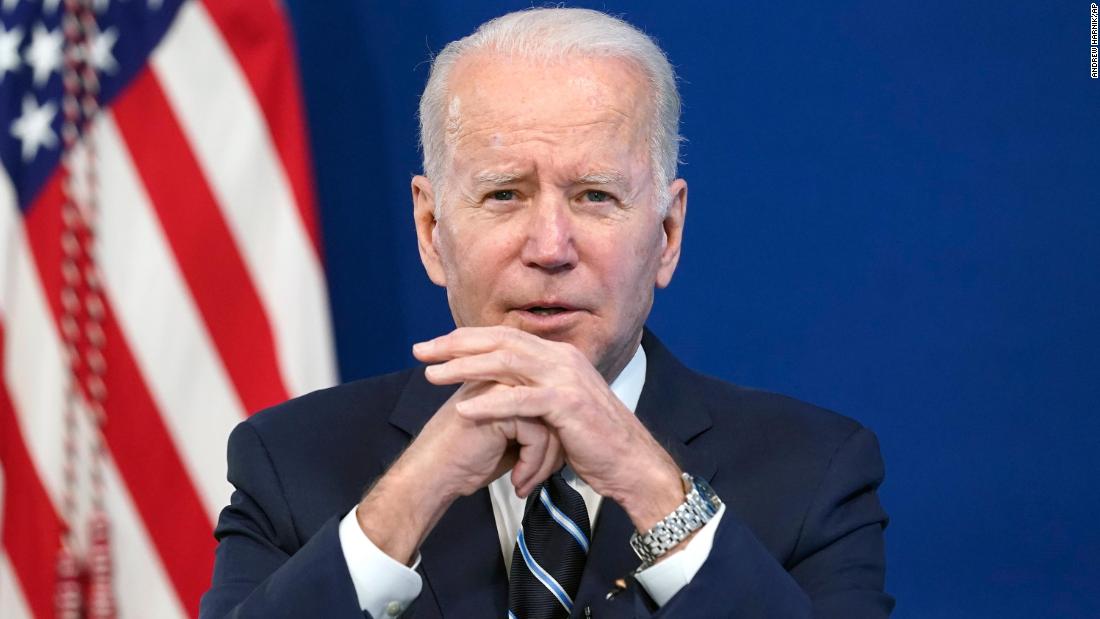
Opinion: Is Biden’s presidency doomed?
Does this all add up to a doomed presidency? That question will naturally enter into the minds of Democrats as they speculate about where this is heading, particularly with the distinct possibility that Trump could run again in 2024.
Those who are worried should find some solace in the fact that contemporary presidents have been able to come back from difficult moments like these. Challenging first terms don’t inevitably put a commander in chief on path toward a one-term presidency. It’s possible to struggle in the polls, deal with difficult economic challenges and criticism from different factions of one’s own party and still go on to be considered a successful two-term president.
Reagan’s approval ratings fell to 46%, according to a Washington Post-ABC poll in May 1982. (While that was higher than Biden’s current ratings, it was low compared to Lyndon B. Johnson at a similar moment in his presidency (67%) or Richard Nixon (66%).
But conditions started to change dramatically in 1983 and 1984. As the economy rebounded, so too did Reagan’s standing. The president finally found his footing, figuring out a way to identify himself with the nation’s economic recovery and to calm the nerves of conservatives who wanted him to go much further on issues such as limiting reproductive rights.
He found a way. As a result of the government shutdowns in 1995 and 1996, support for the administration started to rise, as voters blamed House Speaker Newt Gingrich and his fellow Republicans for the dysfunction in Washington.
The president’s tough stand following the Oklahoma City bombing in April 1995 generated widespread praise. Following the advice of strategist Dick Morris, Clinton shifted to the center on a number of issues, including welfare reform, stealing thunder from Republicans. And the economy started to grow.
And, certainly, Biden remembers the experience of President Barack Obama, under whom he served. Obama took over under terrible circumstances, and his first few years were anything but fun. He started his term with the nation still reeling from the implosion of financial markets in 2008. American troops were also bogged down in an unsuccessful and unpopular war in Iraq.
As with Clinton, many on the left were unhappy. They thought that Obama was moving too far to the center. As with Biden, there were also concerns that the president was not doing enough to tout his accomplishments, including a major economic stimulus bill that helped put the nation on the right path.
But Obama also recovered and thrived. Americans began to feel the effects of the economic rebound, and the president found his political footing during standoffs with Tea Party Republicans who were pushing the GOP toward new extremes, such as when they threatened to send the nation into default by not raising the debt ceiling.
While Biden’s current challenges are very real, they shouldn’t be seen as a clear indication of where his presidency is headed. This challenging moment is a snapshot of his term rather than the conclusion. In modern times, we have seen many presidents recover from a difficult start. Not everyone ends up like Carter, H.W. Bush or Trump, one-term presidents who campaigned for reelection under poor conditions (Carter was dealing with the Iran-Hostage crisis and stagflation; H.W. Bush with the recession; Trump with the pandemic and ongoing political turmoil). It’s possible that Biden’s troubles will fade, and he and the nation will eventually look back on a successful two-term administration.