

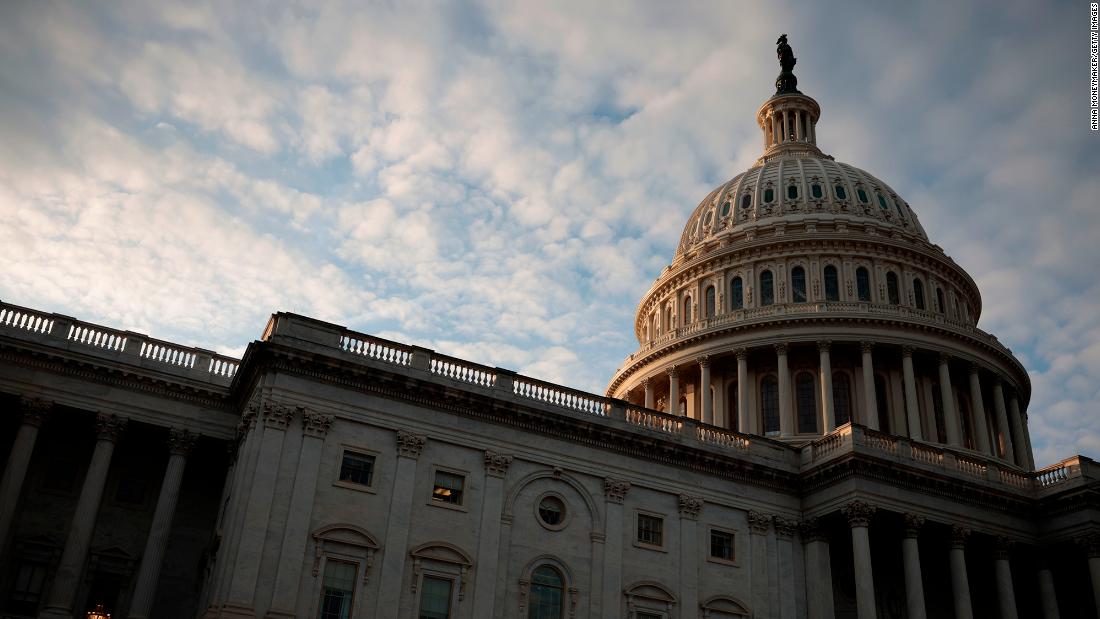
Analysis: This is the big loser in the redrawing of the country’s congressional lines
That marks a major change from even the 2020 election. According to Cook Political Report calculations, 42 Republicans and 40 Democrats won with 55% or less of the vote that year — the traditional marker for competitiveness in congressional elections.
It also continues a decades-long trend of declining competitiveness as a direct result of the redrawing of the country’s 435 congressional districts.
Every 10 years, partisans on both sides largely prize creating as many solidly Republican and Democratic seats as possible — making the vast majority of districts competitive only in primaries.
That increasing lack of competitiveness has a clear impact on how the government works — or, more accurately, doesn’t. There is a direct connection between the increasing number of purely partisan districts and the decided dearth of bipartisanship in Congress.
It creates a disincentive for candidates to do anything other than throw red meat to their bases as the way to win. And it keeps incumbents forever wary of ever working with anyone outside of their party, for fear of being cast as disloyal and losing in a primary.
The incentivizing of pure partisans can be seen in the rise of the likes of Reps. Marjorie Taylor Greene, Matt Gaetz and Jim Jordan on the right, as well as Reps. Alexandria Ocasio-Cortez, Ilhan Omar and Rashida Tlaib on the left. These are some of the most prominent faces within their respective parties and each one represents a district that would never elect — or even consider electing — someone from the other party.
Put simply: There are a series of reverberations from drawing congressional districts where only one party has any realistic chance to win. And none of them are good for what people keep telling pollsters they want — both sides to work together to solve the big problems facing the country.
If you want to change the way politics works, you have to change the people you elect. And increasingly, that decision is taken out of the voters’ hands by the map-drawers who create hundreds of non-competitive districts at the start of every decade.