

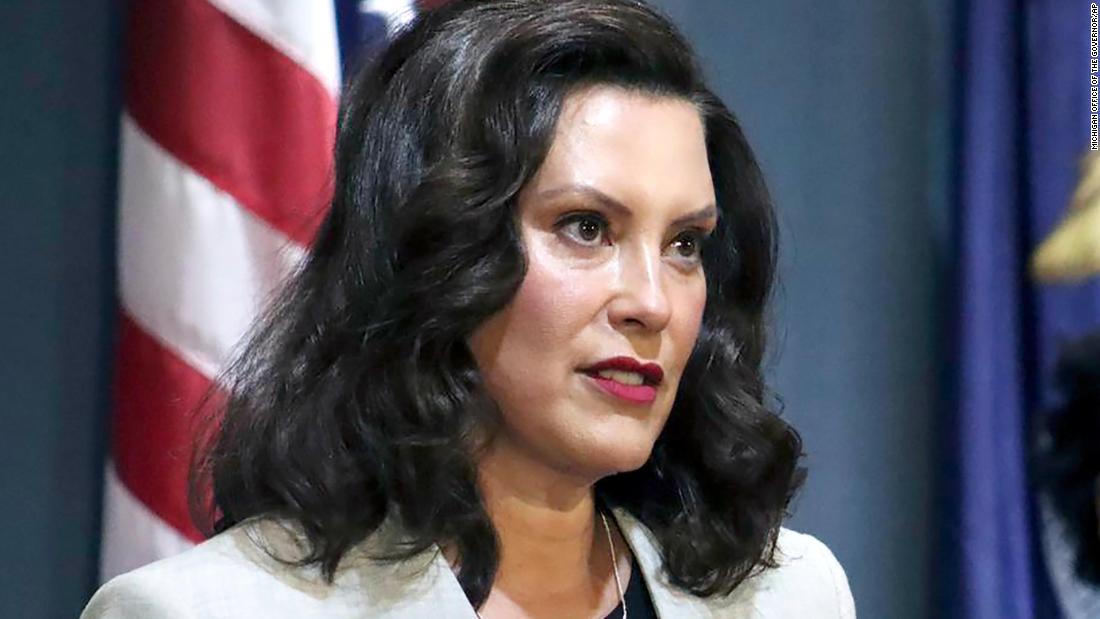
Michigan Supreme Court rules against governor again, ending Covid-19 executive orders
Whitmer filed a motion last Monday, saying more time was needed to “allow for an orderly transition during which some responsive measures can be placed under alternative executive authority and the Governor and Legislature can work to address many other pandemic-related matters that currently fall under executive orders.”
In its order Monday, the court wrote that “our decision today … leaves open many avenues for our Governor and Legislature to work together in a cooperative spirit and constitutional manner to respond to the COVID-19 pandemic.”
Whitmer cited the Emergency Management Act of 1976 (EMA) and the Emergency Powers of the Governor Act of 1945 (EPGA) as authority, with two lower courts subsequently dismissing legal challenges to her actions.
“(The) Supreme Court ruling, handed down by a narrow majority of Republican justices, is deeply disappointing, and I vehemently disagree with the court’s interpretation of the Michigan Constitution,” she said. “Right now, every state and the federal government have some form of declared emergency. With this decision, Michigan will become the sole outlier at a time when the Upper Peninsula is experiencing rates of Covid infection not seen in our state since April.”

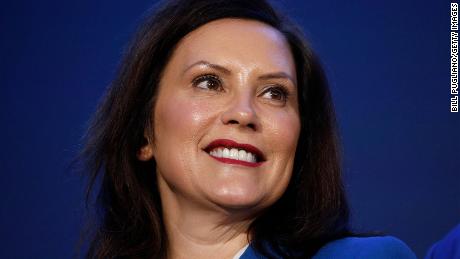
The Michigan Supreme Court issued its initial opinion at the request of the US District Court for the Western District of Michigan.
The district court had asked the justices “to resolve questions concerning the constitutional and legal authority of the Governor to issue executive orders over the past six months limiting public and private gatherings, closing and imposing restrictions upon certain businesses, and regulating a broad variety of other aspects of the day-to-day lives of our state’s citizens in an effort to contain the spread of this contagious and sometimes deadly disease.”
It followed a lawsuit filed by three medical centers against Whitmer in federal court challenging her executive order that prohibited non-essential procedures during the pandemic.
The state’s health department one week ago issued an emergency order limiting the size of gatherings and requiring face coverings at businesses, schools and government offices, with some exceptions.

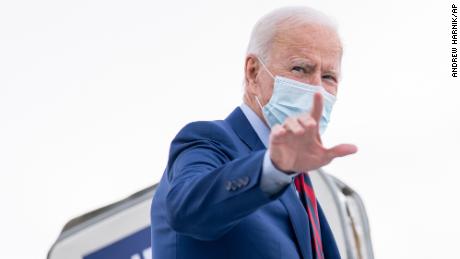
It said the authorities of the order were not at issue in the the Supreme Court’s decision.
It is in effect through October 30.
Monday, the state Supreme Court also reversed a lower court’s judgment in a lawsuit brought by the Legislature, saying “the Emergency Powers of the Governor Act is incompatible with the Constitution of our state, and therefore, executive orders issued under that act are of no continuing legal effect.”
Backlash over governor’s orders

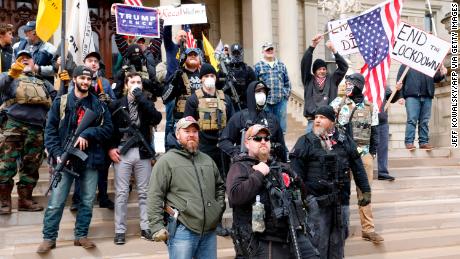
In April, protesters carrying firearms went to Michigan’s Capitol in Lansing to pressure the governor to issue more relaxed measures.
CNN’s Dave Alsup and Susannah Cullinane contributed to this report.