

Opinion: The 8-year-old who fears adults can’t be trusted to fix the climate crisis
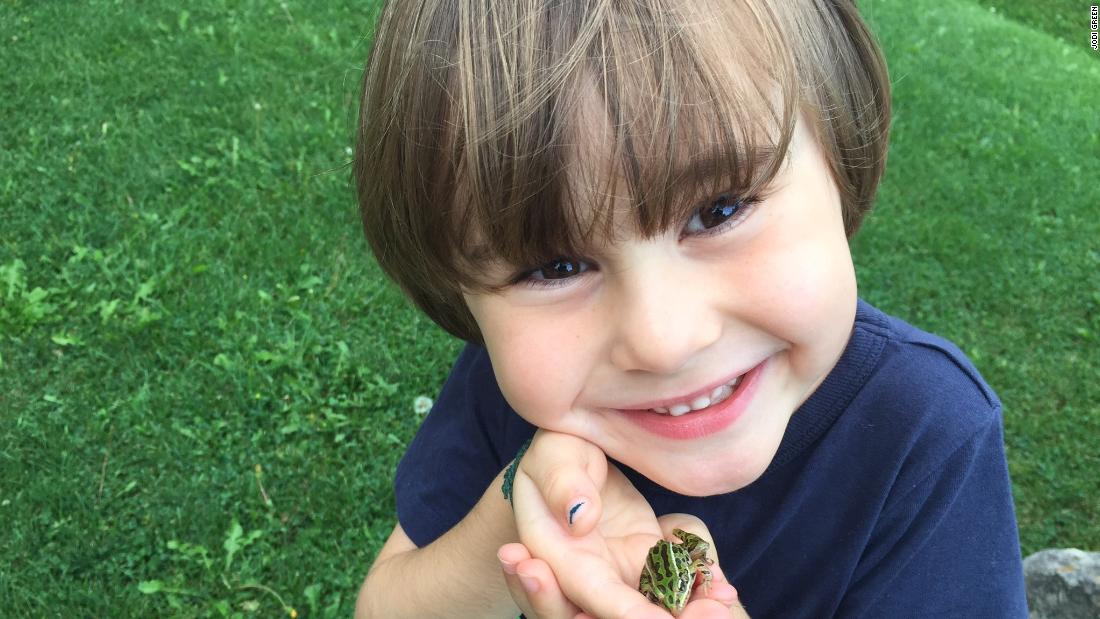
Lately, according to his mom, Jodi Green, Noah has become preoccupied with the climate crisis. He learned about it last year in school during a Greta Thunberg-style rally where students came together to demand swifter action on the global climate emergency, she said.
Ever since, he’s been brimming with questions.
Thank you for that, Noah. And thank you also to the hundreds of you who sent thoughtful questions to us as part of this series. I’ll be responding to them over coming weeks.
Noah, I agree we adults of the world aren’t doing right by you or your future. I share your mother’s concerns about what the weight of the world that’s sitting on your shoulders could do to you. (“I worry about him and all kids,” Green told me recently by phone. “I worry about them getting depressed about [the climate crisis] and giving up on it — feeling hopeless.”) It’s not fair that climate change has become the burden of the young simply because your generation will live on this planet far longer than mine or your mom’s. There’s more we all can do.

Noah’s mom says he loves to go out and find frogs in the back yard. He makes a place with water and rocks for them to hang out in, observes them and then releases them near the river that runs behind the house so that they are safe from the lawn mower when his dad cuts the grass.
I’m going to offer a few specific suggestions knowing full well that none of them is enough but that if effort is thrown behind all of them, from all corners of the world, we can fix this. There is hope. First, though, I want to set up the context of this conversation. I think that will benefit Noah a bit. But this is really for the adults who need to catch up to him — who have not been paying quite as much attention to this issue and the magnitude of this moment.
I’ll do that by way of answering two other questions from readers.
Christopher, from Oklahoma (my home state), asked something I know many adults are wondering: “Can you explain the relationship between carbon dioxide and global warming?”
Some of you likely will roll your eyes at this question. Unroll them, please. I’ve met many smart people over the years who never learned, or never fully grasped, the basic mechanics of global warming. It’s always best to define our terms before going any further.

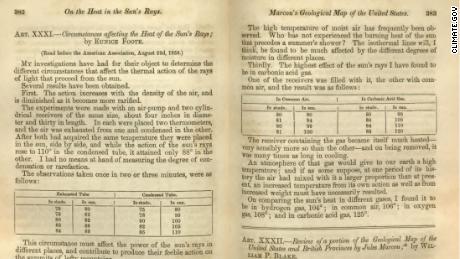
A scan of Foote’s paper “Circumstances affecting the heat of the Sun’s rays ” from the American Journal of Science (1857).
[embedded content]
Ari, in Miami, asked what needs to change by the year 2030 (the year Noah will turn 18) “in order to achieve a safe and stable climate and future for the world.”
To have a reasonable chance of stopping global warming short of 1.5 or 2 degrees Celsius above pre-industrial levels — which is the goal set by the Paris Agreement — then the world needs to cut carbon pollution roughly in half by the year 2030, and then to net zero by 2050.
Few experts expect those changes to last, though, once the pandemic is over.
Emissions had been climbing until the pandemic.
Not enough about the energy system is changing.
Not by a long shot.
OK, Noah. Forgive that detour, please.
Let’s get back to you and your question.
Noah, age 8, in Ontario, wrote: “I want to know what I can do to change the world and make it better for my own children one day. I am looking for specific actions and steps that will help me take control of the situation and fight climate change.”
Let me offer two suggestions.
The first: Do what you can in your personal life — and in your household — to connect your own actions to the global struggle to reduce emissions and stabilize the atmosphere.

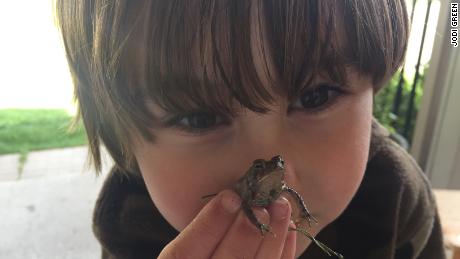
Noah’s mom says, “He loves all the small creatures that he finds and worries that the snakes might get hungry but can’t bear the thought of the frogs getting eaten.”
So, do what you can to help. Also: Get outside and enjoy the natural world — enjoy the animals you care about. Celebrate this magical place. Your enthusiasm is infectious.
My second piece of advice is to use your voice. You, along with millions of other young people all around the world, realize truths far too many adults shy away from: The planet is in major trouble; we’ve been messing it up for decades and decades; and the time for change is now.
The truth is that adults are responsible for this mess you’re inheriting; we owe it to you to do more. But that doesn’t change the fact that you do have an important voice, and you can make a real difference. Witness what Greta Thunberg has created with the global Fridays for Future movement. Millions and millions of young people like yourself have been moved by her story.
I know, as I said, this answer is not fully adequate. I promise to keep you in mind as I explore other questions and other aspects of the climate crisis in coming weeks. This theme — what more can we do — came up in dozens of questions from adults and children alike.
I’ll keep coming back to it.
For now, I’ll leave you by saying that you give me hope. Your insight, and caring, outpace many adults. I find it admirable that you love polar bears and seals — that you learn about them from TV — and that you want those species to exist when you’re old enough to have children of your own. I want that, too, and I want humans to be safe from the devastating storms, fires, floods and droughts that continue to intensify as we pump heat-trapping gases into the atmosphere.
Your name, Noah, carries the story of a Biblical/Quranic figure who built a ship that rescued the world’s animals and people from a flood. I see your warmth and compassion in that story. You mom told me she had that story in mind as she named you. She waited until she met you in the hospital before deciding on that name, which also means peace. “I knew it was right,” she said.
Thank you for asking this question, and for caring.
As you said: “It’s about the future.”
More soon.