

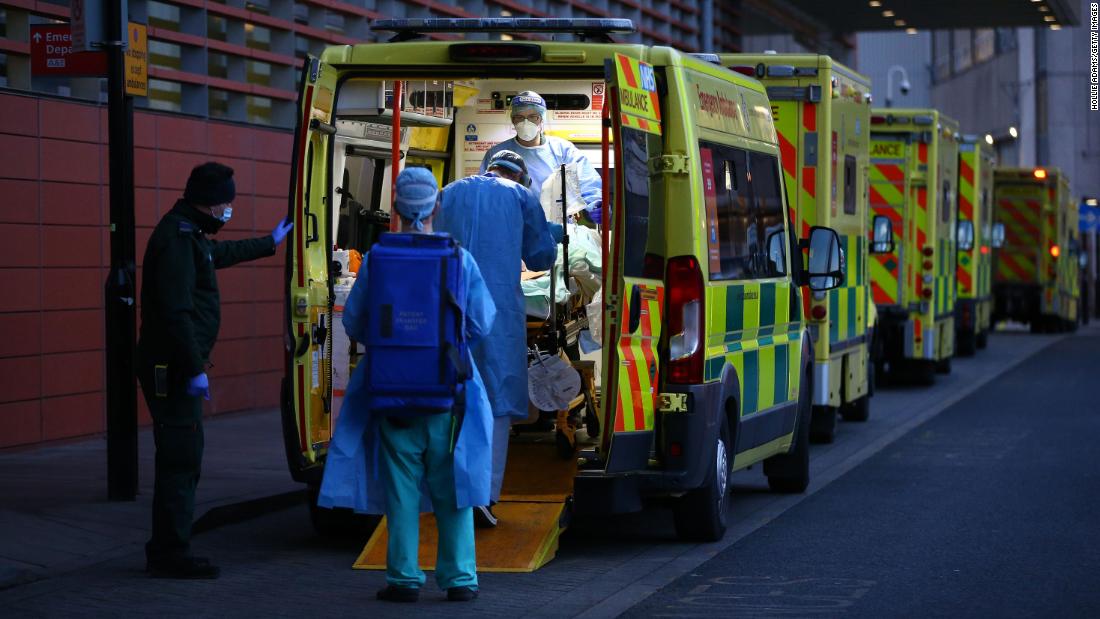
A year in, cases continue to rise sharply in some parts of the world, and every day the losses mount
A year later, the pandemic shows little sign of loosening its stranglehold on billions of people’s everyday lives. Cases continue to rise sharply in some parts of the world, and every day the losses mount, as more people lose loved ones to Covid-19, lose a business or lose their livelihood.
On January 15, the official global death toll from the coronavirus pandemic surpassed 2 million, according to Johns Hopkins University.
While the 2 million figure is horrifying, experts say the real death toll is likely much higher. Only confirmed Covid-19 deaths are included in the tally, which means that people who die without a firm diagnosis may not be included.
Similarly, many people will have been infected with the coronavirus without having a positive test to confirm it. In the early stages of the pandemic fewer tests were available, and testing remains inadequate in many countries now.
Nonetheless, with a world population of some 7.67 billion, according to the latest World Bank figures, the global case tally suggests that about one in every 76 people has now had the virus.
The world passed the threshold of 1 million confirmed cases on April 2, and 10 million on June 28, according to data from Johns Hopkins University.
It took until November 7 for the world to register 50 million confirmed cases. Since then, the trend has accelerated sharply. The 90 million case mark was passed less than three weeks ago, on January 10.

The second-worst affected country in terms of overall case numbers, India, accounts for just over one-tenth of the global confirmed cases. There have been more than 152,000 deaths there, according to Johns Hopkins.
Brazil has reported more than 8.8 million confirmed cases of the virus and 217,000 deaths, the second highest death toll after the United States.
Europe has also been badly hit and many countries have been battling to contain a second wave of infections since the fall. The United Kingdom has fared worst, with more than 3.6 million confirmed cases and more than 100,000 deaths — the fifth highest toll in the world.

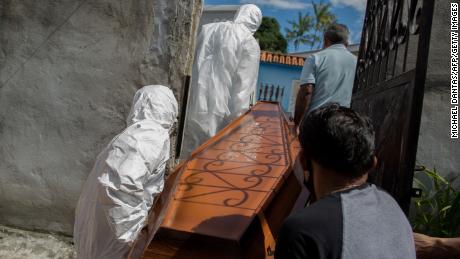
Municipal workers remove the body of 75-year-old Adamor Mendonca Maciel from his home in Manaus, Brazil, on January 16, 2021 after he died of Covid-19.

A patient is transported out of an ambulance by medics at the Royal London Hospital on January 2, 2021 in London, England.
As governments around the world seek to limit further spread of the virus, the emergence of new, more infectious variants is causing great concern to scientists.
One such variant was first detected in southeast England late last year; another has been detected in South Africa and two more in Brazil. A variation has also been seen in the US state of California that may or may not be driving renewed spread there.
Scientists have been racing to see whether the changes in the virus will make it as susceptible to available treatments and vaccines, amid fears that the mutations will allow them to evade some of the immunity induced by vaccination.

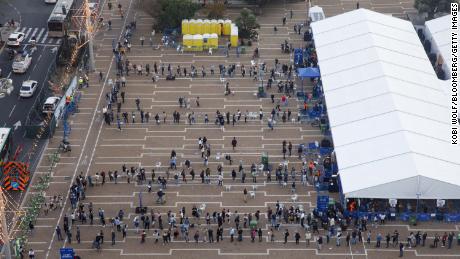
People queue outside a Covid-19 mass vaccination center at Rabin Square in this aerial photograph taken in Tel Aviv on January 4, 2020.
Mass Covid-19 vaccination programs seem to offer the fastest path out of the pandemic — but countries’ access to vaccine supply and the capacity to distribute and administer jabs varies greatly.
In the US, President Joe Biden has set a target of administering 100 million doses of vaccine in his first 100 days in office. More than 17.5 million doses had been administered across the country as of Thursday, a day after he was sworn in.
Infectious disease expert Anthony Fauci said that despite challenges with the distribution and administration of vaccines, the US “can and should” vaccinate 70-85% of US adults by the end of summer, which could mean a semblance of normality by the fall.
In the UK, the government aims to give everyone in the most vulnerable groups at least a first dose by mid-February, and to have vaccinated all adults by the fall.

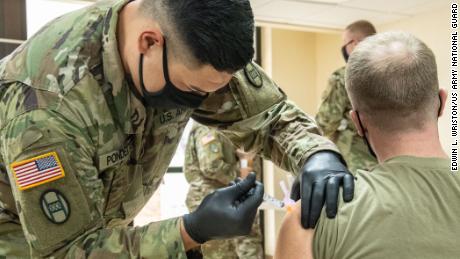
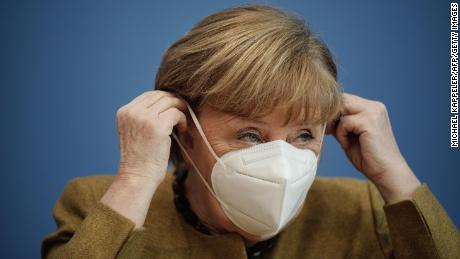
Meanwhile, all those globally who are not vaccinated must continue to rely on the social distancing, hygiene and mask-wearing measures that have become all too familiar since Covid-19 arrived on the scene.
No one knows how many tens of millions more people worldwide will be infected with the coronavirus — or how many millions more will die — before this pandemic is brought under control.
In 2021, hopes remain high that science and modern medicine can prevail against Covid-19 with a fraction of that death toll.
CNN’s Byron Manley and Maggie Fox contributed to this report.