

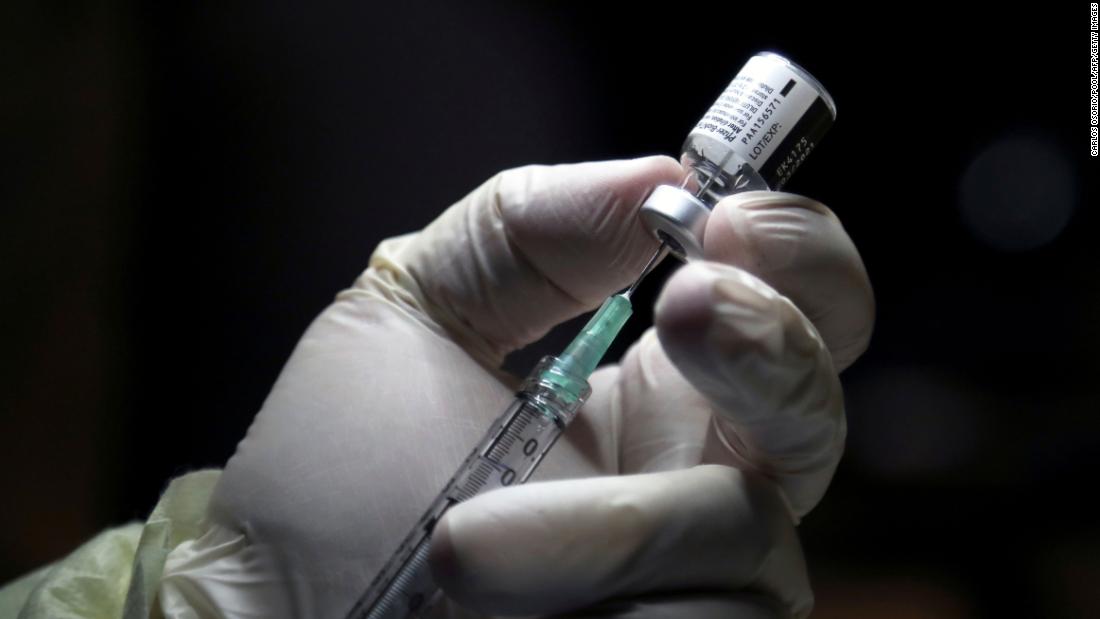
Analysis: Direct vaccines where they’re needed most
In the United States, we need to be more proactive in reaching the millions of people that we still haven’t reached with vaccine. Globally, we need to scale up vaccine manufacturing rapidly and vaccinate the 50 million health workers and 1 billion people over age 60.
The reality is that global vaccine supply will lag behind need for at least another year. Opening access to intellectual property is a step, but we need much more: transfer of vaccine technology; using all means to address supply chain problems; and establishing hubs for production. We can also be more strategic in use of the vaccine that is available.
Vaccinating every health care worker in the world would require less than one week of global vaccine production. Vaccinating health workers not only protects them, it also protects the continued ability of health systems to provide life-saving care. This is particularly crucial in Africa, which faces millions of additional deaths from measles, tuberculosis, malaria and other diseases, unless health care services are maintained. We must support countries so they can focus on doing this.
It’s estimated that more than 80% of Covid-19 deaths worldwide are among people age 60 and older. There are about 1 billion people age 60+, and about 300 million of these billion people live in countries with insufficient vaccine and significant risk of Covid-19 — including 74 million in Africa. We should also support countries to get this group vaccinated ASAP.
Globally, wherever coronavirus is spreading, we must continue to mask and distance. These are the only measures that will make a difference in the short-term while we ramp up vaccination programs, and are essential for the medium term. Vaccination, even if readily available, won’t crush the curve for months in places where there is explosive spread now.

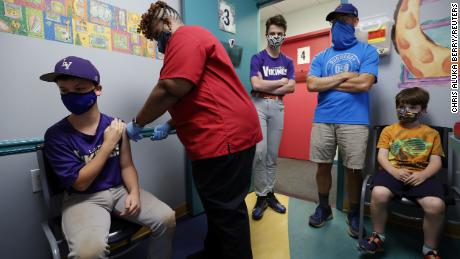


Vaccination will save lives and prevent explosive spread where vaccine is available. But in most places around the world, the way to save lives right now is to mask, distance and improve ventilation. Here’s what we need to do in the months ahead.
In the short term, we need to quickly expand supplies of materials and services throughout the global supply chain, save the most lives by using existing vaccine supply to prioritize vaccination of health workers and older people, and continue to mask and distance to flatten the curve now where spread is uncontrolled.
In the medium term, we need to transfer vaccine technology to regional manufacturing hubs so that effective vaccines, particularly mRNA vaccines, can be rapidly scaled up, especially for low- and middle-income countries. Transferring mRNA technology and ramping up production globally are essential, and the most important step we can take to help end the pandemic. Not sharing this technology puts all of us at continued risk.