

What the wanton endangerment charge means
The charges drew immediate criticism from demonstrators who wanted more serious charges, as well as the arrests of the three officers involved.
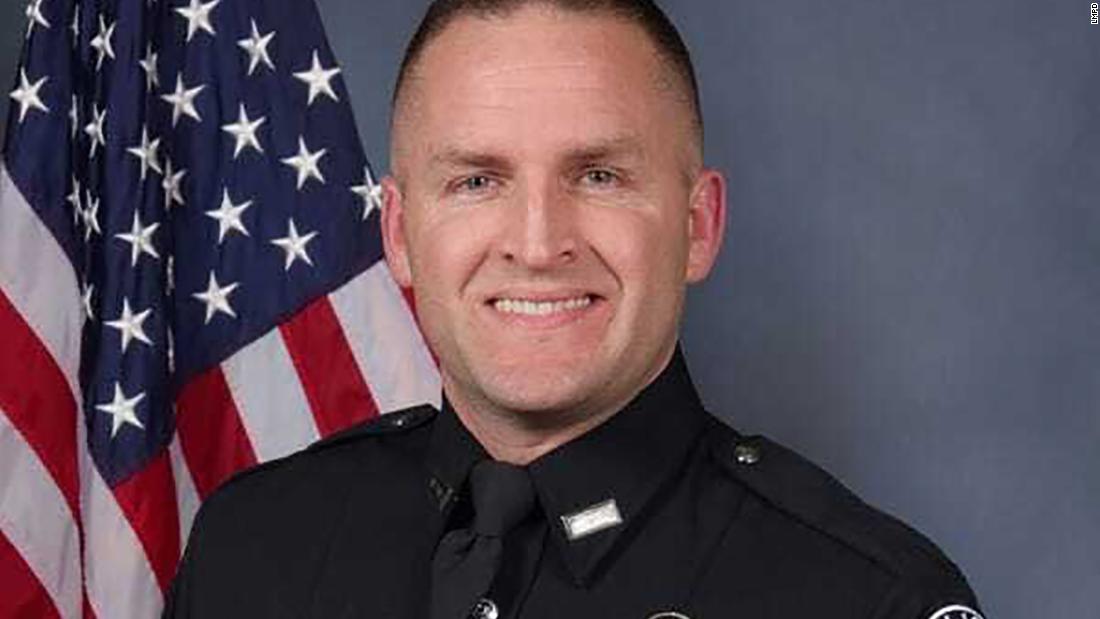
Hankison is not charged with causing the death of Taylor. Rather, the police department said, he “wantonly and blindly” fired into her apartment — shooting 10 rounds.
According to the Kentucky statute, someone “is guilty of wanton endangerment in the first degree when, under circumstances manifesting extreme indifference to the value of human life, he wantonly engages in conduct which creates a substantial danger of death or serious physical injury to another person.”
It is a Class D felony, the lowest of four classes of felonies. The maximum sentence is five years; the minimum is one year.
Hankison’s shots came “from outside a sliding glass door and through a bedroom window,” according to a statement from the attorney general’s office. Some of the bullets went through Taylor’s apartment and into one next door, where three people were inside, including a pregnant woman and a child.

“There is no conclusive evidence that any bullets fired from Detective Hankison’s weapon struck Ms. Taylor,” the statement said.
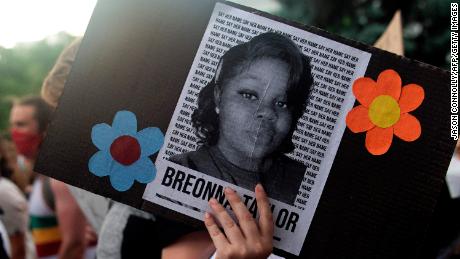
Taylor was shot multiple times in her home by police carrying out a drug investigation. Her death sparked months of protests and has garnered attention across the country. Cameron told reporters that the officers were “justified in their use of force” because Taylor’s boyfriend fired at officers first.
Sgt. John Mattingly and Det. Myles Cosgrove were not charged.
CNN’s Delano Massey contributed to this report.